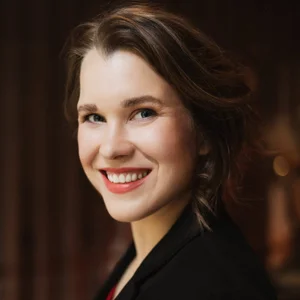
Being Stylish and Belonging in Tech: From Trying to Fit in To Expressing Yourself In a culture of Hoodies And Jeans (LCPS01E12)
“What does a leader look like?”, is a question we come back to here often, and this time, we take it literally: I meet with five exceptional senior leaders to talk about what it’s like being interested in style and fashion in tech, of all places, where it’s long been seen as most fashionable not to care about these topics, where an implicit but strongly-enforced dress code of dark hoodies, t-shirts, and jeans reigned, and where the resulting “uniform” culture has been hard on everyone who doesn’t fit traditional ideas of what an engineer, a “technical person”, a “geek”, a leader looks like. So, how do you convey that you are all of those things, when you don’t look like the stereotype of someone who is?
We talk about our journeys in attempts to fit in, exploring ways of expressing and being ourselves, and the stressful mental gymnastics involved in calculating how our appearance may support or undermine how we’re viewed and treated. We dive into being “firsts” in visible positions, and how we found style as a tool for empowerment, connection, and representation, and close with some favorite styles and recommendations to find your own. I loved having this conversation, and I hope you enjoy it too.
“I think style and fashion is such an important part of self-actualization, and becoming that greater version of yourself, and it is a big part of how people perceive you, so it gives me great joy to feel self-actualized on a particular day and feel like I am representing the true version of myself.” — Christina
This conversation was recorded in October 2024.
Intro
[00:00:00] Lena: “I am so glad I didn't put on my good pants today, or else people may think that I'm not technical.” That's a quote from a CTO who spoke at a senior leadership conference last year, a conference where I had just been complimented on my carefully selected outfit, including good pants, and it hit me:
We are still here. We're still in a place where some people think that not just wearing your oldest washed out conference shirt or your Linux socks, and nothing against either, but instead looking put together, will somehow threaten your credibility as a leader. Let's change that.
This is Leadership Confidential: Real talk on more than two hard things in technology, finding community and becoming the engineering leader you can be.
Today we're talking about something that affects all of us, but rarely gets airtime in leadership, conversations style, fashion, and self-expression in tech. How do you show up authentically when the industry's uniform feels like everything that you are not, and what happens when you want to wear the dress, the bold lipstick, the statement shoes, or the beautiful glitzy nail polish, but you worry that it might undermine how people perceive your expertise.
I've been thinking a lot about this since my first days in tech, and I've talked about this in a previous episode. I've been thinking about it a lot again lately because I've been speaking at and hosting discussions at various conferences lately, and I've been having conversations with younger folks in our industry who are navigating the same struggles that many of us have been dealing with for decades, often not knowing that they're not alone in this.
For today's conversation, I'm really excited because I'm doing something different. Instead of one guest, I'm joined by five incredible leaders who have each found their own ways to navigate being authentic, expressing themselves, and feeling like they actually belong in tech. They're all people whose leadership I've adored for years and to all also have impeccable style.
Together. We dig into the complicated relationship between how we present ourselves and how we're perceived and which of those matters or not. We also talk about the mental load of calculating outfit choices, the power of showing up differently so others that they know they can too. And yes, we also share some excellent recommendations along the way.
Here's real talk on more than two hard things in technology with Sally, Gisela, Christina, Melinda, and David.
Our conversation
[00:00:00] Gisela: I'm Gisela. I'm originally from Argentina. I've been here in the UK for nine plus years. So, as an immigrant, sometimes the line, that is part of my identity.
I'm a senior leader, which I really enjoy. I've been in tech for, around 10 years, without counting like my former education and so on. And I think in terms of identity, yes, a woman, I guess. Y slash Latina, depending how you count, uh, I,
I don't make a fast line about it. And, I haven't been tested for neurodivergence, although there are suspicions.
Kind of want to ask who's suspecting, but that's out of the scope for this.
[00:00:50] Lena: think we might have lost Christina. David, do you want to go instead?
[00:00:53] David: Sure. so I am, a man, I'm mixed race, been in the industry for 25 years,and, for better or for worse, a senior leader. and yeah, since we're talking about neurodivergence, definitely have spent the bulk of that 25 year career wrestling with, with operating in this space as somebody whose brain works a little bit differently. But, yeah, that's me.
[00:01:18] Lena: Melinda is the person I've spoken to the least, which is not so far.
[00:01:23] Melinda: yeah, I'm, I'm, well, where to start, I'm a woman, I am mixed race, uh, white and Asian. I, I wouldn't say I am neurodivergent, although I do think sometimes my brain works a bit differently than others. I've been in tech for. So over 20 years at this point, have worked as an engineering manager, uh, for over 10 years and I've been a conference speaker, blogger and event organizer. That's me.
[00:01:52] Lena: I do also, by the way, love the contrast between your outfit and the background. That is just, it's beautiful.
[00:01:57] Christina: Thank you. Yeah. It's one of the things that I, uh, I've got a couple of outfits specifically for just at home. Wow, nice. That is, kudos for that, honestly. If I had a gold star to pass out, you'd get one. Um, Christina, should we try again my name is Christina. I am a senior leader in software engineering. I'm a white cis woman. I've been in the industry for about 10 years. I have a non traditional path to software engineering, so I don't have a computer science degree or anything close to that.
I actually don't have a degree, and I am also an immigrant, and that's a big part of my identity as well.
[00:02:38] Lena: Sally,
[00:02:39] Sally: Hello. Uh, so I'm Sally Late. I work as an engineering director at the moment. I've 20 years as well. Originally as a web developer, then moving into management, into senior leadership,identify as a cis. White woman. I also have a disability. I work primarily remotely nowadays, which means there's a lot of leggings, a lot of like comfy clothes in the rotation too.
Um, but I do like an opportunity for nice clothes. So I might need to be inspired by Melinda in that sense.
[00:03:09] Lena: if you'd all mind, honestly, not to speak for everyone, but I kind of want to. Awesome. I'll just briefly start with my background.
Um, and I would be. love to begin honestly by hearing a little bit about, just like what style and fashion mean to you. I honestly also, I know I've reached at least, reached out to at least one of you under the presumption that this is a conversation you're interested in having. I'm not gonna say who it was.
and, so, for me, I think even, Through conversations with some of you, I think with Christina, at least, and with Sally, for example, I realized that this is something I really care about, which was really interesting, because I've been in the industry for so long. and I started out,yeah, as someone with a non traditional background, in hindsight, only realizing that I tried my best to just fit in as much as possible, including the most visible way with what I was wearing.
I previously worked at a bank and worn a typical, very businessy outfit, suits and all that. I was glad to be able to get rid of those, just for full disclosure, but when I quit then that career, but, I mean, literally a project I worked on at the time was called Hoodie. And that's also the stuff that everyone was wearing at the old conference, t shirts and whatnot.
And like nothing against those necessarily, like maybe as pajamas, but, or even during daytime. But, I realized that, yeah, I was just trying so hard to fit in. And that was a very visible way for me to do that. And it took me a lot over the years to figure out what's my style. I think there was also a lot of my personal life that kind of helped with that.
Yeah. coming closer to my identity and all of that. But, I was at leading engine London this year. That's where Sally and I met, and had this conversation where someone complimented me on an outfit and then someone else in that group said, Oh, you know, I just overheard someone who said, Oh, I kind of wish I'd worn worse pants so that people don't think that I'm not technical.
that was someone who was going to give a talk there and I was like, Oh damn, it's 2024. And this is the stuff that people say. and so, yeah, uh, then Sally and I got chatting and, spoke about this and this is, this is where we are. so, the question I'd want to start with, and if you hate it, we can start somewhere else, but it was basically, okay, what, who's style and fashion in this whole being in tech context mean to you?
[00:05:20] Sally: I'm happy to jump in seeing as we kind of started
[00:05:23] Lena: Sorry. yeah, I've kind of,
[00:05:24] Sally: Yeah, no, it's all good. I was actually trying to remember what I was wearing at that
it's a very colorful dress, but that's probably not narrowing it down much. Uh, no, actually, yeah, I think I know the one. Um, and yeah, I guess in terms of my background and sort of relationship with fashion, I think I've been through a similar sort of experience, which I guess a lot of us maybe have as well. That's a bit of an assumption. so yeah, I, I really did want to fit in, I wore a lot of t shirts and jeans kind of outfits.
I've had periods throughout my career, which is obviously kind of a big chunk of my life. And so. Therefore, my relationship, I guess, with fashion and clothes, I felt it would be really unprofessional or would maybe reflect poorly on my company if I was unconventional or, you know, was wearing some things that maybe, people didn't approve of.
And. That wasn't even, you know, when I'm saying unconventional, I mean, anything's like dyeing my hair, like red or something else like that. I think that this is a topic that some people never think about if they haven't had to. So I know that it's, you know, it's one of those things that, others may not realize that this is extremely stressful sometimes, for some people.
but yeah, for to me, sort of fashion style, I've come to realize that they can play a huge part in my happiness, in my confidence, they can help me, sort of feel like I'm up for, you know, maybe a more challenging situation, that kind of thing.
I've also found them. Useful, potentially cliched to, to help me sort of process different events in my life. you know, I've got the memorable haircuts, memorable hair dyes, buying shoes, all of that kind of thing. but tied into that as well, I think they also represent a bit of stubbornness because I'm actually, horrendously allergic to hair dye.
And, you can't see it at the moment. pretty normal, but I have had like pillar box red, all of that kind of thing as well. Um, Yeah, it is. So,
[00:07:20] Lena: scarily so almost, but you know, good for you.
[00:07:23] Sally: thank you.
[00:07:23] Lena: Sorry,
[00:07:25] Gisela: I'm also, uh, happy to jump. I think, uh, for me, when I think about, fashion and style, I think there are a couple of words that automatically come to mind. And one is, one is actually art. I do think it has this kind of visual thing to it. I'm also someone that does. painting as a hobby and I do think like all these kind of visual things are very connected.
and it allows you to have a bit of fun in a way that is accessible to everyone. And it's actually quite embedded into your daily life. Like for painting, I have to find a time and a place in my week. And I do it Friday after work, but fashion and clothing, I can do every day. And I actually get to do it every day.
So I do get a lot of enjoyment out of that. And,and then I do think in terms of on the context more of work, I do think it's a very, powerful source of like self expression, and also confidence and individuality, and being able to show up as yourself and how whatever that means on whatever day that means.
but I think for me, it's a very powerful source of, yeah, expression, I guess.
[00:08:36] Lena: That's wonderful.
[00:08:37] Christina: just to follow up on that, I agree with that and maybe to say it in a slightly different way or my own way. I think style and fashion is such an important part of self actualization, right, and becoming that greater version of yourself, and it is a big part of how people perceive you, so it gives me great joy to feel self actualized on a particular day and feel like I am representing the true version of myself.
And it's a form of honesty in a way, that hasn't certainly always been the case in my background. you know, during my adult life, I've had wild swings in my economic state and, and, you know, what kind of income I was pulling in and. When I got kind of like my first real job and my first real salary, it was especially incredibly important for me to fit in, you know, and to, look like I belonged.
And for a while, what that looked like for me is kind of cosplaying as a cis white man. So lots of button downs, lots of slacks. And, uh, in some ways like part of that also resonates with me. Cause I like having kind of a little bit of a androgynous or masculine style, but that was like the pre Stylish version of, uh, button downs and slacks.
just straight slacks, straight, straightforward button down. And it took me a long time to, you know, start to feel like I belonged or I had the power to exercise, to move away from that. It was kind of a trajectory of power, right? The more power and more, stable, I felt the more that I felt like I was able to step out of that and try something different, but I definitely didn't feel that way in the beginning.
[00:10:17] Gisela: I love what you said about, being an expression of honesty. Uh, I do think that is very, very true.
[00:10:25] Lena: And also very hard.
[00:10:26] Melinda: Yeah, I think for me, it's echoing what everyone else has said so far. it's showing who I am, what my personality is. but also showing different parts of, I guess, my story and the things that I care about. I think I really love finding clothes that, yeah, really represent me. But also, uh, I think.
I choose things like, uh, my bags and my makeup and my jewelry. I try to lean into the very, geeky side of that where, you know, I'll wear earrings from my favorite video game. I'll wear lipsticks that have, uh, that are based on, the colors from Disney cartoons and stuff like that. So for me, I think it's really a way to just highlight different things that I care about.
but also in the process, dressing up in a way that just helps me feel the way that I want to feel so make myself feel more confident than maybe I actually am and feel more comfortable in spaces than maybe I would be.but I also realized that I, it took me a while to realize what my style actually is.
I very much had this notion growing up that I I was a geek and I somehow saw that as meaning that I couldn't kind of be a girly girl as well. I was a geeky girl rather than a girly girl. So I very much kind of refused to look at anything fashion or makeup related because I thought, well, if I do that, then I'm not, I'm not a proper geek. I think it took me a couple of years to realize, no, you know what? I can be, I can be a geek about fashion as well. And, it's only when I moved to london. that I started my own blog called Miss geeky at the, time. And I started it as a way to talk about all things geeky and girly and the things that are in that cross section. And that's when I really started, discovering what are the things that I actually love and leaning more into that.
[00:12:30] Lena: Beautiful. Realizing that you have range and can bring all of that.
[00:12:35] Melinda: Yeah, exactly.
[00:12:36] David: it's really interesting to hear all of you talk about your relationship to fashion in the industry, because I think, you know, It's, and it's not that this is something that I didn't know, but obviously the uniform of, uh, Cis Mean in technology is like a really powerful, is a really powerful tool.
And I can, and I certainly hear the ways that some of you have navigated that. And that's, you know, that's something I've talked to a lot of non male colleagues of mine in, in the past, uh, and how they've had to navigate it. and when that outfit has and has not served them in, in their sort of journey through the industry in and out, uh, of control.
so it's, it's really interesting to think about for me, both, what it means to dress up, like from a performative standpoint, I think also, and I'm totally hitching to what you're saying, Melinda, about, feeling confident. And I think feeling comfortable in my own skin, uh, and feeling like in as much as, You all in the past, some of you in the past have put on a costume to be in, I have put on a costume to be out in some ways, uh, to sort of escape from that paradigm and, uh, and to create connections, uh, with people who, you know, Who have the same values that I do in some ways that are reflected through the way that I dress uh, I think yeah, and I think to a certain extent there's something that always makes me happy being in sort of a video call with a bunch of Engineers or product managers and wearing something very colorful on a dark day and somebody says something about It's okay.
Well, you know that's made a difference in the tenor of the space One of the things that I'd like to talk about with a good, a close colleague of mine. It's one of our mottos. It's take the work seriously, but not yourself. And, and this is my way of doing that, I think.
[00:14:27] Lena: That's really, I love that. I'm gonna have so many takeaways from this already. that's wonderful. so since, honestly, I do really also want to talk about the fun stuff because I really would like to get some outfits or other recommendations out of this just personally. So I do want to get to it.
but since I think we've all kind of either skirted around it or really heavily alluded or spoken about it already, I do kind of want to talk about the complications of this whole thing. sort of, you know, being in tech like Melinda mentioned the whole like, girly or geeky and then can be both.
Finding ways to express that or, like with what a few of you also mentioned in terms of a gap work takes up so much space and time. I need a way to, or want that as a way also to kind of be myself or also distance from distance myself, from what people might think who I am based on how they maybe see me at first.
so yeah, I'd like to talk about again, what's made this complicated or a topic for you in tech? And in terms of, it's clearly something we've all spent some time thinking about it in some way, because I think Sally, you said it, we probably also had to, what's that been like for you?
[00:15:33] Sally: the first time that I really remember, having to think about it was when I was pretty young still and I was, in quite a senior role. So I was in the room with, because the projects that I was working on at the time, quite a lot of, more kind of traditional leaning, you know, competitive.
computer science or IT, um, men who would sometimes quite openly sort of question my competence or not be thrilled that I was the person sat across the table from them. And I think that was when I, you know, was very aware of how my appearance can Sort of, you know, the first impressions can really decide the direction of a conversation, even before you, you say anything and having to prove myself, having to sort of make sure that I belonged to be in that room became, something that, that was very much on my mind on different fronts.
And so I think definitely, you know, confidence has come up a few times. I think it was also, my internal confidence and then sort of projecting confidence to other people was how I. So I started to think about all of that. but then it was also, it was a little bit more complicated because I realized that doesn't always translate through to every situation.
So,one thing that stands out in my mind is when I went to, it was just a tech conference, I was wearing, and it's sad that I still remember this, but I was wearing a very conservative, I would say, brown, sort of mid length pencil dress with a white shirt underneath it, not revealing nothing, and, It had one of those wonderful inventions of a live, unmoderated, I think it was like a tweet wall or something like that, and a message came up that said, and I don't even know how they got my, my Twitter handle, but it was like, Sally is the hottest person at this conference, which let's just set that aside.
But the fact that somebody was commenting so publicly on. My appearance, made me feel incredibly vulnerable at a time where I had gone into that feeling, you know, I'm dressed professionally, I fit in. And I think around that time, I started to do things like look on Flickr to see what people were wearing at past events.
so that again, I didn't stand out. I could judge whether I would feel awkward turning up in a dress or, you know, doing other things like that, that, really made me question, uh, a lot of things, I think that having, in sort of companies I've worked in sort of environments that I've been in, there weren't many women, there weren't many femme presenting people. everybody was quite conformist. And so,it was something that I had to sort of learn to navigate. and I think that's definitely played a part in my attitudes now, which are very different and trying to be visible, do things a bit differently so that people don't, you know, see me.
necessarily have to, you know, try to navigate the same things on their own. but yeah, I would say there's so many different layers of kind of complication that I've gone through over my time, uh, over the years and in different roles and as, has come up already, you know, your different levels of privilege, I think definitely play a part in terms of, you know, how you need to react and the things that you need to navigate to.
[00:18:48] Melinda: I. Yeah,I've been in, I guess, sort of similar situations, but I've, been, I've responded, I think, in different ways. I think I'm quite contrary in that regard. I'm very much the type of person that, you know, when I was in high school and got told, Oh, you know, maths is for boys. My reaction was. No, it's not. Maths is for me as well. And I think, in my early twenties, I was attending a lot of hackathons and I very early noticed that, the response I would get, from like the judges or from sponsors walking around asking what the teams are working on would vary a lot based on what I was wearing.
If I was wearing, uh, t shirts and jeans and hoodie, they'd assume I'd be one of the programmers and ask me just, The same questions as everyone else. If I was wearing a pretty dress, had some makeup on, I'd get questions about whether or not I was doing the marketing of the team or whether or not I was doing the design for the team.
Even though I was there with my laptop and my editor out like programming and everything.and, And then I was at an event where I was wearing a dress and another woman walked up to me and was like, Oh, if I'd known someone else was wearing a dress, I would have as well, but I want to be taken seriously.
So I'm just wearing my t shirts and my jeans.and this is back in like 2008, 2009, I think. And from that moment on, I only wore dresses. I thought, you know what, actually, I'm, if you say this is not the thing that women, well, geeks should be wearing, then, you know what, I'm gonna show that they can.
so, I think it's in my nature in that sense to kind of go the opposite direction of what the norm is. but I've also realized that for most of these events, I was already standing out because I was one of the few women in the room. It doesn't, it didn't feel to me like that much of a bigger step to stand out even more and just dress in the way that I wanted to. because it, I was going to stand out either way. and, I'm happy that I did that at the time because I think over the years I've gotten various responses from people going, thank you for doing that. you've encouraged me to wear more dresses. You've encouraged me to start wearing red lipstick.
And, I'm kind of proud for myself for doing that at the time, even though looking back at it, it felt easy for me, even though I know it's not that easy for other people.
[00:21:19] Lena: there's an interesting point in what you just said that sparked a lot of things for me around, Depending on how you dress, it would change the feedback you'd get. Because, my start out in tech was very different and my background was, I think, I had to get into my mid twenties to even realize that, being a nerd or a geek is a thing and that there are other people like that.
I grew up in a very small village and really not in tech. But, for me, because I, when I started out in tech and I'd had this finance background, I very soon ended up co founding a company with four engineers. they explicitly brought me on as the one with the business background and the one who understood, you know, everything that they did not about how to start a company, build a company and all of them.
and so I think. And I'd already by that point been in tech and even leadership roles for a little while, had done a bunch of work in open source, which obviously is its own kind of hell hole when it comes to all sorts of misogyny and whatnot. and so I was, by that point had already often been asked, Oh, you know, how do you get engineers to respect you if you don't have an engineering background or how do you even, they generally get people to respect you.
And how do you do it with, uh, Like with the not knowing anything of this world that you have, or if often even, you know, I know you didn't say it that way, but I think for a really long time, there wasn't, sometimes still is a bit of a, femme presenting people being very hyper conscious of not wanting to be read as someone who's in marketing or in another job that can be in a tech company, but that is not engineering.
That is of course also There are a lot of things that are problematic there, but sometimes there's also an aspect of the, of this, it has nothing to do with those people specifically, but where there's a bit of a classism within like tech companies and organizations still affect having sort of engineers be kind of the top of the class and often also the most like high earning people and whatnot, and everyone else is kind of just secondary citizens.
and so I was hyper conscious of all of them by that point already. and so. I really kind of overshot in the opposite direction of really trying to make myself as close to everyone else and the quote unquote standard of the white man in the industry access white men in the industry as I could. And it took me a really long time to unlearn all of that.
Like, I definitely also had a bunch of the internalized, misogyny of, again, not being girly or whatnot. Um, took me a while to work through that. I'm like now painting a lot in pink currently, but, there's, it's a process. but, I think, again, the, the othering and the really, if people already have so many grounds to, either, you know, attack me or belittle me or feel like they, yeah, can question my abilities or my experience despite the work that I deliver, then I might as well just as least try as hard as I can to not give them more reasons to.
[00:24:05] Sally: I love that you, put yourself out there as well, Melinda, to try to help other people, that you've always really inspired me as well, the way that you mentioned your handbags and your lipstick and things like that. And I think, I also went the other way of when I started doing public speaking. I was on stage deliberately wearing a dress, wearing like red heels or cool shoes or something, just to, again, you know, in the hope that I could give somebody else confidence.
And so I love that this is a thing that people can do for others and try to help them be themselves in whatever way they want to express themselves.
[00:24:42] Melinda: I think I've also been quite lucky in terms of the teams that I've worked with, where I feel like I don't think I've ever really had like negative responses as to, you know, How I've dressed or, you know, I've not been taken less seriously because of how I dress. like one of the teams I joined, I was wearing like really high heels, like the highest type of heel that you could wear on my first day of work.
And, uh, one of my new coworkers trying to joke at me going, Oh, I've never seen an engineer where. Wear shoes like that. And, uh, one of my other new coworkers, also an engineer, turned around and just flippantly said, Oh, you've not seen my shoes in the weekend. And it, it was kind of just a reassurance that, okay, you know, no matter what anyone is wearing on in, in the team, we're all there at the same level.
If that makes sense. so I think I've been quite lucky in that regard of, being able to just lean into the things that I, uh, that I like wearing and helping make it easier for other people. but I think I know, yeah, not everyone has had that luck.
[00:25:56] Christina: I'll chime in and maybe just add a different dimension to the same themes, right? So echoing the same themes of feeling like I have to prove myself and worrying about first impressions and professionalism. Something that I like and I like to practice is like a lot of makeup. I like a full beat. I think it's fun.
You know, a lot of blush, arguably too much blush, a lot of highlighter, arguably too much highlighter. And you know what I like to call the bimbo lip, you know that like over lined top lip and To me, it's just fun, and it is not boring, and I, you know, there's this other side of elegant, clean girl, look like you're not wearing any makeup, and to some extent, that's seen as the gold standard, like, these days, we have, you know, You know, trends and makeup that come and go, but clean girls having a moment right now.
And I just don't subscribe to that. Like, it, that is not a, it's an anti goal for me. and I think about that. I think about that a lot. I think about that this week. Right? I'm at a conference this week, you know, I'm seeing, you know, top leaders at my company and important customers. And every day I wonder, does this change how people perceive me?
or, you know, do they think I'm less professional or less capable because I overlie my top lip? it ultimately doesn't change what I do. And part of that is, you know, again, my own. I need to have some fun in my day too, right? So in my own, uh, self actualization, uh, and a little bit of representation too, right?
So I want to, you know, be present there for other folks who may want to do the same, but the questions never really leave me.
[00:27:42] Sally: That's a really interesting point though, just to jump in if I may, because I feel like that's almost the flip side of this as well. And I, when I go to conferences, when I go out, um, you know, generally I also, like makeup, but. I used to put on makeup for every single meeting, any time that I was meeting with somebody online, especially if I was sort of, you know, like interviewing somebody, I needed to make a air quotes, good impression.
but now I don't, and I get up, and I, you know, I see how I feel from a day to day perspective. If I'm waking up on the weekend, typically I don't put makeup on. so I only do it if I feel like it. And one of the things that I think, you know, has become really important to me is to sort of perpetuate, uh, or not perpetuate, sorry, this thing of, if you are, uh, you know, a woman or sort of expected to look a certain way, you have to wear makeup as part of that.
so for me having, uh, I, apparently I'm cool now, hopefully if this is, I don't know what the movement is, but maybe it means I'm super cool. but yeah, not having any makeup, having messy hair, I'm probably painting a terrible picture of myself in some ways, but just kind of being very normal, being a natural person, I think, and showing others that you don't necessarily have to be polished or spend half an hour in your makeup before starting work has also become really important to me.
so yeah, that's something that I hadn't thought about until now, but I'm realizing that's quite important to me too.
[00:29:10] Lena: When there's a lot, right, about, creating or finding a space for yourself where you can make those choices and don't have to feel like you have to fit a certain mold that someone else created.like I will say one of, by the way, Christina, I have had a mental note for weeks now to ask you about what highlighter you use.
I'm gonna have to, I'm saying that out loud now so I don't forget. Um, and
[00:29:32] Christina: the end of the segment about product recommendation.
[00:29:36] Lena: and, but I honestly, one thing that's really been on my mind with this, especially this year is I've been working with and hearing from a lot, like more young women and young people of color in the industry.
And one thing that's honestly been quite terrifying for me is that, One, so many just don't know the history of so much of the things that, you know, you've alluded to, and that I think, you know, we've all experienced, and that we know about in terms of, you know, structural discrimination and like the whole thing, like many of them just don't know, and many of them end up feeling like they're the only person, people who deal with this, They're the only people who, you know, experience harassment at work and discrimination and whatnot.
And of course there is to some degree maybe a generational thing where that's something that people, have to discover in some ways, unfortunately. but seeing yeah, I've been in the industry for kind of only 15 years, but I've also given a lot of talks about those topics. And so I've done a lot of research on it and fortunately learned a lot, which has also helped.
And that's where I think, you know, the point that many of you made in terms of, like, yeah, I'm doing my thing here. Maybe other people will notice. And it will be a kind of affirmation for them, I think is so, so valuable, because again, a lot of people just don't know when they're often still navigating the same stuff that many of us have been at for decades now.
[00:30:57] Gisela: I think that's very interesting that what you're saying, Lena, because, while people were telling their stories, I actually felt like, when was the first time I thoughtmy style may differ from my surroundings or that I, that my career may be at odds with my style. and actually it was the first day of uni, which is shocking.
But it was featured that, I, so I chose to study computer science, but I actually didn't know anyone in the industry before I went to that first day. In university. I just took it as well. They have this has math. They have some things that are interesting. Has a good career path. yeah, it sounds like something I would like to do, but I didn't know anyone.
So I wasn't quite sure what to expect. And I show up and I was wearing like, An A line, pink and white, flowery, uh, uh, kind of a knee skirt and like a white top and a cross body bag and some white flats, some makeup, not too much, but I don't know, it's just normal for me, normal, I don't know, it was like, I'm very normal.
Gisela 18 year old outfit. and I kind of show up and yeah, I mean, the looks were a bit funny. Like it was clearly not what everyone was expecting, uh, I guess. And, And yeah, I think that that was kind of the moment that I realized that was like unexpected outfits. So I think what you're saying, being about people have to discover that one way or another.
Either they read about it or they live it. Uh, on a first day, but there is a process of a personal process of discovering that, uh, that I guess we tend to forget. I think for me, it was very solidified in my memory, just because it was also the first day of uni, which is quite memorable, on its own.
But, uh, I think what is valuable for that is to then. the reaction is, I think, maybe that you were saying, well, uh, I actually realized I wasn't going to fit anyway, for other reasons. Uh, so if you're going to be, if you're going to be judges, let's be judged for who you are. so, yeah, it's, yeah, I think it's kind of that maybe supporting those younger generations to realize that, there is room for that too.
But there is a process of discovery that will be. a bit painful or surprising and we can spare them, I think, probably of that, unfortunately.
[00:33:26] Melinda: I think this is something around, uh, not just changing the kind of mindsets of the younger generation, but actually changing the mindsets of some of the men right now, currently. so I think, you know, I've gotten to that point where, yeah, I'll dress in the way that I want and not care about what others think.
But I do think now that I'm going to more, I guess, senior leadership type events where the majority are still, you know, White straight men in a room.I do think there's an extra hurdle for me to, to show who I am and that I am technical and that I, have 20 years of experience. especially when, you know, you're meeting people for the first time and networking and, People are making very quick first impressions and judging based on that kind of like first sentence that you say, basically.
so I noticed for myself that I am spending much more time, I guess, tweaking how I introduce myself to make sure that the years of experience and what I do, that I have a technical background comes across in that kind of like first paragraph of what I'm telling people. Because I do feel there is still that thing or that assumption of like, Oh yeah, yeah.
She's a woman, she might not necessarily have a technical background, even though I'm there at a technical event.so I think there is still like mindsets that need to be changed.
which I thought we had kind of gotten to that point already that, you know, you're at a tech event, don't assume anything about anyone's background. but those assumptions are still being made, I think.
[00:35:04] David: I mean, I think it's prettyI love what you're saying here because I think, like from my perspective, like I'm thinking a lot about conferences and one thing I've noticed about, I host a conference and one of the things I've noticed about, sort of fem presenting and women's speakers is that they'll, They often, you can tell how hard they've worked to make a decision about who to be on stage visibly and, in a way that like, in, in some cases, hilariously, the men have not, just absolutely have not considered in any way, like how they present on stage almost, you know, Almost as this sort of extension of the mythos of Steve Jobs and Mark Zuckerberg's like legendary, uh, distaste for choice and what that signifies about them as engineers, which is such a retcon moment of saying yeah, I don't know how to dress.
And so I'm just going to tell everybody that by wearing jeans and a black turtleneck that somehow signifies the efficiency of my brain. I think being on stage, Or in senior leadership, is about creating, is about shifting patterns of recognition and, and, you know, it was part of a conversation not long ago, we were talking about how long it takes to shift pattern recognition, how long it takes to shift an industry from, especially an industry, our industry's perspective on, uh, gender and identity.
And an openness and a breaking down of the uniform and saying, actually, this belongs here. And through that, then you get to what Sally is talking about in terms of choice and saying actually, I don't, I can be who I can be whoever I am. in this space and belong because we've had to push the edges and that people being in positions of power and positions of visibility looking different and doing the work and being authorities on their topic, like clear authorities on their topic creates an impression in people's minds.
And I think it just takes several. Clearly several attempts to do it, but I do think it's moving because I see that in the young people who are joining the industry now, especially young women who are joining the industry now,and what I think is a shifted perspective on this.
[00:37:30] Lena: I do still, I think that's very true. And thank you. as a speaker, I also will just confirm that yes, I do put a shit ton of work in how I,what I wear on stage. I have two talks to give next weekend, a conference to host, and I have a whole half day of outfit planning ahead that I don't know how to squeeze in, because my talks also need to be good.
But, one thing I really still want to echo the part of, the work that there is to do because, I've had, this year has been really remarkable for me because I've had, a surprise, to me, very surprising number of engagements with specifically, white men, and many of them in the space for a really long time, and often, you know, introduced to me as people who really care, and who really do the work, and who want to do well, and who, you know, are invested in, all the good stuff, and then having conversations with them that basically, ultimately, left me realizing that's the talk that I'm going to give next week, that,This kind of stuff isn't talked about there seems to be an assumption that all of those topics magically go away once like women or people of color are in leadership positions that suddenly, you know, everything's great.
And yes, we need to talk about diversity and belonging and all of that for teams and there has been movement on that. But at the same time, like a lot of people were and people who I've worked with, like a former boss of mine did ask me. verbatim, like also for the last 15 years of your career in tech, like you've just constantly been worried that one, one day you would get harassed.
And I didn't even know what to say. because I was like, dude, that's been my experience from day one. It's not just a hypothetical or something I'm worried about. So I did just, I did want to mention that because I think Christina also alluded to there's still the question sort of in the back of the head with Oh, you know, does this still change how people perceive me in some way?
And if so, does that matter? Or are they just people who I can choose Don't wanna work with . is that a choice I can make in a job market that's difficult or more difficult than it used to be? and all of that. And I just thought that was important to call out because I, do think, like using, and something I'm hyper cognizant of as well, that like I have a weird degree of visibility in some spaces and I try and use that, in ways to, yeah.
Do a little part to push the conversation forward, but at the same time, there seems to be just this idea, even with, again, very progressive people who I think would also describe themselves that way and be described that way by others, that somehow those things just magically disappear, either once you're at a certain level, have a certain set of experience or I don't even know what it is.
[00:40:03] Gisela: Yeah, I agree with that. I think it's, it's definitely not going away on its own, especially, I think, when women get to, especially senior leadership roles, there are a lot of different standards, not only, I mean, we're focusing on style now, but there is so many different standards across.
performance and different things and, this is just one extra cognitive loadfor women or people that are different to, to juggle. I think,it's good to have communities like this to support, uh, at the end of the day, it would be great as a tech industry to try to shift it a little bit and shake it and try to break the stereotypes.
And I do think there is a lot of good people doing good work, but it seems to be taking a very long time. Um,
[00:40:55] Lena: It's ironically a very slow industry in some respects.
[00:40:59] Gisela: it is very ironic. I agree. I
[00:41:03] Lena: since, honestly, since some of you have mentioned some things in this direction, so, you know, for people who do want to find different ways of, you know, expressing themselves, and to, you know, wonder, Can I do that? How can I do that?do you have any, you know, advice you can share? Things that have helped you that might be useful for others?
people who want to tap more into the hey, I want to kind of be myself in this, even though I don't maybe look like the, what someone thinks of still when they think of an engineer, even though we're hoping that's going to shift. Um,
[00:41:35] Melinda: I can start here. I think for me, again, as I said, in my early 20s, I was like, okay, actually now I should try and figure out what type of style I like, but I didn't know where to start. I did not really have a good fashion sense at all. There are old photos out there of me with really bad clashing. Like colors and outfits.
and I did not know how to use makeup. so for me at the time, I started following fashion blogs, like makeup blogs, fashion blogs, trying to figure out, uh, which other people out there, whose styles resonated with my own style. style, and got inspiration from them. I think nowadays the equivalent would be either like TikTok or Instagram or your social media platform of choice.
but I think part of it is, look at the people that inspire you and, break down the outfits that they're wearing. so that you start recognizing, okay, that's the type of top that would work with this type of skirt. This is the type of dress that would fit this type of color lipstick.
This is the type of color lipstick that, that works on, uh, with my complexion. for me, It was a very kind of methodical, like research I did in that sense, of just looking at what was out there, trying whether or not it worked for me. And then going, no, this doesn't. And this does, it didn't happen overnight.
it was just starting with, with one thing and then growing it from there. And now at this point, I'm addicted to like bags and lipsticks and everything can, you can't stop me from, from just seeing another new color. I'm like, Ooh, I need that one.
[00:43:14] Lena: Nice. I do even want to, cause I think for me, one big piece started before that. And I love what you just shared. For me, the big piece was like allowing myself to care about this, which took an in hindsight, kind of understandable, but also shocking amount of work, but realizing that, Oh, this is something that I can be interested in and I get to be.
And I, even if I don't make a ton of money or so, it's still something where I can, you know, find a way. drugstore makeup and so it can also be absolutely decent and I'm just realizing, oh, I can actually make this a thing and I, if I want to spend my evenings just window shopping in online stores, then I'm just going to do that.
and so that to me was just a really important point in what you just said, kind of made me remember that. it took a while, but, It also really helped just taking away the shame of oh, no, this is a topic I shouldn't be invested in, or again, like a lot of misogyny there with oh, this is superficial stuff or what, it was not.
It was a lot of stuff that was deeply tied to my identity. And I think giving myself permission for that really helped. And also, yeah, hearing from people who say, oh, yeah, I have a collection of lipsticks, things, very inspiring.
[00:44:22] Sally: I would also just say, tied into that, maybe it is that first lipstick or, you know, that first kind of cheap, uh, eyeshadow that is very different but you feel okay because you're just going to try it out. when I first think about kind of starting to move away from, the t shirts and jeans, I was very often wearing t shirts, jeans, but a jacket and heels.
And so that was, you know, kind of like the radical entry point. and I would just say, you know, I think I've had Various points where I've done things like if I had bright red hair I would feel like I would need to match that by being a bit more conservative in terms of wearing a very Normal dress or something like that.
But that really helped me I think to feel like it doesn't have to be all or nothing You can play with these different kind of like levers on different days. Maybe one day You feel more confident to go more out there with makeup or with your shoes or with your clothing or with your jewelry or whatever, like the different elements are, and maybe some days you want to go, you know, for everything full under the spectrum and some days you're, you know, you're nothing.
So. I think just kind of like playing around with it, seeing how it feels and also, trying to identify how that makes you feel as well. So, you know, does that give you a boost? Does it make you stressed? Trying to kind of, you know, think about the different elements that, that might play into that.
and also I think one of the things, For me as a leader is trying to think a little bit about,we've talked about this in a roundabout way, but the signals that you can send to others, and I'd say not only in a really positive way, but also if I only ever show up wearing like high end, really, you know, designer clothes.
That to me is sending a message to some people who maybe can't afford those sort of things that they don't fit in as well. So I think actually Being really balanced, can be interesting, not only to sort of, you know, allow you to lean into different sides, to maybe have confidence in different ways and to, you know, to get into things slowly, but also just to show people around you that it's not all or nothing as well.
and also the, like the final thing I'd say in terms of, I guess, advice is just going back to your point, don't be the person that. You know, question somebody's belonging, at a tech conference, but do be the person that goes, Hey, that's a lovely dress or you look amazing today. I think there could always be more of that positivity and, you know, far be it for me to be, to, you know, encourage overly commenting on people's appearance or anything like that.
But if you can give people a boost or a bit of confidence, I think that's a really nice thing to put into their day.
[00:46:56] Lena: Yeah, I will say I try and make a point to this sort of subtle way of complimenting people's like something about someone's outfit. you know, there's like cool shirt or especially also honestly, when I see people who aren't femme presenting wearing nail polish, for example, because I, I mean, it, it is awesome.
Like I don't just say because it's and so, and I've also found that can be a really cool way to connect with people who I might otherwise not, you know, necessarily have a. way to start a conversation with, or even just as, you know, throw away comment on the side. but, again, don't make it about people's appearances or whatnot, but if there's something about an outfit, it's like in an appropriate, respectful way.
It's a line to skirt, but yeah, I think it can be a neat way to connect in a somewhat human way, especially when it's with people who are at the same level. That's sort of a, industry event like that. Don't do that with your employees. other tips, advice, things that have helped you, curious.
[00:47:49] Gisela: think for me one thing, uh, always say, uh, if people ask me is that, um, One is that I don't personally consider style as something you found and it's done, but it's more that it evolves. And one of the ways I see that is, it didn't occur to me, by the way, but there is a really good tip around thinking about your three style core words.
and defining those very clearly. So when you sometimes put an outfit and the outfit fits it slightly off, it maybe it's not quite matching those core words that you want your style to, to feel like, and I think that the best way to notice that evolution is that you start to notice that you're, Course timers evolved.
so I always, when people ask me also think that they need to not stress so much about finding the stars who can more of a process of personal creation. Uh, so I do think, and with the social media, I would say, I still think Pinterest for these is the best just go and create a bunch of, doors for different things.
[00:48:57] Lena: I like the callouts of making it your own. I think that's beautiful.
[00:49:01] Christina: yeah, I think my advice is the same thing that I tell myself on a fairly regular basis, which is just to remind myself that, you know, you're here for a reason. You've earned it. And your boss, your collaborators, your teams, they put you here for a reason and they believe in you for a reason. And that reason is your capabilities.
And it actually has nothing to do with your appearance. and that You earned your place to be here and to belong. And as part of that, like you can choose to. Show up any way that you would like, and that's something that helps me feel like I've earned it and I have some space to, to play around and yeah, that I deserve to be here.
[00:49:46] David: I think there's something really, so first of all, I think that I, Christina, I think that's something that I think everybody needs to be, needs to think about, especially for sort of men who are listening. And being able to decouple in some ways and sort of acknowledge like somebody has achieved a certain thing and trusting that they know that work and that like what you wear is immaterial to that is important.
it's I'm thinking back to the beginning of
this conversation and the ways in which everybody here. the psychological effect on themselves that, that fashion has, like the tool that fashion is to tell you, tell yourself a story about you, and how that evolves. Giselle, I think that your story, what you said about like how your style evolves over time is so powerful.
For my part, the thing that I've been thinking about is Like for me, because I also like, like you, Melinda, in the way that you kind of identify, like I didn't, I wasn't like popped out into the world with some innate sense of style in any way, shape, or form.and so to me, I've, I have treated, Figuring out how to dress and the clothes that I select as in ways that Gisela, you've said, are about as much about artistic expression as anything else and developing taste and developing aesthetic and going into stores and just looking at everything, trying things on and intentionally picking things that make me just a little bit uncomfortable, that looks like it's gone a little bit too far.
Not. That they not, I mean, it can be, you can, the point is you can wear anything you want more or less, but in terms of what the effect that it has on you, there's something about being slightly outside your comfort zone that for me, as a man in this industry, creating some discomfort or some doubt in what I believe to be true about myself extends.
To the people around me and that to me has been a really valuable point of connection that I've been able to make with colleagues who don't dress in the uniform. and that's been, and that's, that is a taste that I've cultivated and a willingness that I've cultivated to put myself in a space that's different.
[00:52:01] Lena: I kind of honestly want to use that as a jumping off point to talk a little bit about the outfit style stuff that you like. We talked a lot about the complications of this, and if you know, and if you want to go back to some of that, that's I'm very happy to, but I'm really curious. you know, Tell me about your favorite outfits or looks, things that you enjoy, including product recommendations.
[00:52:26] Gisela: How many hours do we have
[00:52:31] Christina: uh, from a highlighter perspective, if you want to be seen from the moon. And shine as bright as possible. I can recommend the rare beauty by Selena Gomez highlighter. That's what I use. And it's the brightest one that I've been able to find and it's not glittery and I love it.
from a fashion perspective, I'm very into like oversized. Silhouettes or I guess just like attention in a silhouette, right? So like oversized pants the absolute biggest widest pants that I can find I think maybe a couple of us have that in common on this call So we'll take all the recommendations for the widest legs possible But also some tension in that silhouette, right if everything's the biggest you can find sometimes that works sometimes that doesn't so Either you know the inverted triangle or a triangle.
I try to like make shapes with my silhouettes and You Very often that includes, comically large, uh, pieces.
[00:53:24] Lena: Nice. It's like geometry. I
love that.
[00:53:27] Gisela: on that beans that's very nice clothes. So I'm a big fan, so you should check them out. Uh, I think for me a lot, that I really also has to do with the texture. of the clothes. I'm more of a clothes and shoes and so on than makeup. I very rarely wear makeup, but, uh, the texture, I think there is something that appeals to the eye, but also appears to other senses.
and for this, I always recommend to check the labels of the materials the clothes is made. you can read a little bit. It's not too long to read, but it will take you a long way, uh, on reading how sometimes clothes that even is very expensive is made of very cheap materials that also have a very bad environmental factor, but also it won't feel that good.
It won't breathe well. it won't, like polyester one. reflect light the same way silk does. Uh, and sometimes brands do try to charge you the same. So, so I think especially nowadays, uh, I think that would be one of my biggest things, that I like to do and I recommend people to do is just check the materials and try to look for like, um, cotton wool, silk, like materials that are a bit more natural.
they last longer, they look better, that would be one of my recommendations.
[00:54:49] Lena: It's a really good idea. Like, do you have anything in terms of, you know, the way you like to style things or so that you really like to do?
[00:54:57] Gisela: yeah, I think I have a couple of things in mind. So I think one, over the years that I, I realized that I really like is, I like my borders to be quite versatile. So I have been in a way, converging to a certain number of colors that I love. and so that allows me to mix and match almost.
everything in a way. uh, so I think finding, finding that has been quite interesting for me. So I, sometimes people joke that they only see me wearing like white, blue, brown, and there's some truth to that. there are some cold, uh, core colors that I use way more than others. I think in terms of shapes, I do love skirts and dresses. I still do. Uh, tech hasn't beaten it out of me.
[00:55:43] Lena: Nice. Congrats, more power to you.
[00:55:46] Gisela: I do think they, in average, I, I have a lot more reliably comfy than pants. Pants you have to try hard for them to be comfortable wearing a skirt or a dress is just, so much. And I think the other thing that I love is a knee high boot.
You know, some winter. So I'm very excited about this decision starting again.
[00:56:10] Lena: I did, I just bought my first ones, I think, because I have relatively large feet. like shoes have been really tricky for a long time. Very grateful for some of the progress in that industry there. Um, but I did just, uh, like, yeah, I've been wearing them every day. They're wonderful. and they're just flat, but they're knee highs and they're just with this weather right here.
It's so good. Thank you. I hope you can wear yours again soon.
[00:56:34] Melinda: so I'll jump in and, share my recommendations and stop me if I ramble on too long. Cause I could talk literally for hours about this.
[00:56:42] Lena: could do a separate session about them.
[00:56:45] Melinda: so, uh, I'll start with my bags because, uh, there's a bag brand that I absolutely love called Vendula. They specialize in shopfront bags. and most conferences that I'm at, you'll find me.
with one of their bags, I've got eight of them at this point, because they're just too cute and too, it's too addictive to, to buy, just buy the next new one that they have. so every season they did come out with, different designs. but at this point I've got a bag in the shape of a sushi shop, one that looks like a cat cafe, one that is a movie theater, uh, one that's a,a library, So they're all different ways to, again, show different parts of my personality, but I get so many random strangers give me compliments about those bags.
whenever, as I said, whenever I'm at an event, but also just when I'm on the tube or I'm out and about, uh, people will stop me and ask where the bag is from. which I love, because it's a nice conversation starter.
[00:57:50] Lena: These are so good, I'm just gonna very quickly, I was, I had to obviously look this up on the side and I will just say they have a pony club thing, like I used to ride horses, not really regularly because we couldn't afford it, but, and there's one that just has all the, like just one bag with all the like pony club medals and stuff that you can get.
I really, I need this in my life.
[00:58:10] Melinda: every single season they come out with about 10 different bag designs and every year I'm like, Oh, I need to add this new one because this looks too cute and I can't not get it. mostly because the first time I ever noticed it, It was a, I noticed, uh, a bag in their sale, which was a movie theater.
And what I didn't buy it at the time, cause I was like, I don't need another bag. I've got too many already. And what I didn't realize at the time though, was that the lights in the movie theater,signage actually turned on. there was a little flip in the bag to turn the lights off. and I didn't realize, otherwise I would have immediately gotten it.
And, I think that's six years ago and that bag hasn't come out since. so I also often get asked whether or not I'm willing to sell some of my bags because some of these are, yeah, limited edition. They come out once and then never again. so. Yeah, that's my first recommendation.
then, uh, the second one is for my lipsticks. most of my lipsticks nowadays come from a brand called Besame, and they're based in the U. S. and, uh, they specialize in Uh, vintage replica colors. So they, uh, find old colors from the 1920s, 1940s, 50s, 60s, and then recreate the color. so the lipstick I'm wearing today actually is called Victory Red and it's, uh, the lipstick that, the U. S. Army kind of, I think, designed for women to wear during World War II, uh, because Hitler at a certain point said, Red lipstick is, is a no go, so they, as a response to that, helped women wear more red lipstick in the U. S. because it was like, well, this is a, this is anti Hitler,
[00:59:53] Lena: our way to show the Nazis. What's up? Love that.
[00:59:56] Gisela: I have read the same story and I saw, and they distributed in the factories to women that were going to factory jobs, to temporary factory jobs, they would distribute them for free. And it became a very big thing.
And I mean, I wasn't sure I wasn't going to mention it,
[01:00:16] Lena: Gisela, come on.
[01:00:18] Melinda: places. The but, uh, yeah, I first discovered the brand because it's, uh, got used in the TV show, Agent Carter, because it was a true to life, like lipstick color from that era. and ever since then, I've totally just fallen in love with it. Cause it's also one of the best staying lipsticks. I put it on once during the day and I don't have to touch it for the rest of the day, basically, which in my view is.
is the biggest selling point for lipstick. then, in terms of I guess my style fashion, I'd say I mostly wear dresses or tops and skirts. I don't really do jeans. I've not found a comfortable jeans to wear for 10 years at this point. So I've just not bothered. but, uh, lately I've been leaning more towards again, but 1950 silhouette.
So kind of A line swing style dresses. Um. Most of them with pockets I love a good pocket. I also need them I feel for whenever I'm doing conference talks so that there's a spot to put the, the microphone thingy, whatever you want to call it.
[01:01:25] Lena: belt clip thing,
[01:01:26] Melinda: yeah,
[01:01:27] Lena: battery pack.
[01:01:28] Melinda: so I try to make sure that most of the dresses I have some form of pockets, at least the ones that I'm wearing for conferences.
and then. I think in terms of color, I just, I gravitate towards prints, I think, a lot. but the types of prints I have are all over the place. I think I've got a bit of a bad track record in terms of a lot of the brands that I used to love stopped,stopped running in recent years.
and then the final brand I'll mention is, uh, my favorite shoe brand, Unfortunately, I don't wear heels anymore because I hurt my foot a couple years ago and still haven't recovered from it. But there's a brand called United Nude and it started by, uh, it was started by an architect. So all the shoes have these amazing, sort of designs.
There is one type of shoe that is almost like a Möbius strip. There's another shoe where the heel come, I don't even know how to describe it, the heel comes out of the front part, my wedding shoes come from there, from them and, They were the type of, before I found Devendula bags, I would wear the United Nudes shoes and I always got comments on like, where did you get those shoes from? so that kind of I think sums me up in, in terms of my type of fashion, finding things that people go, where did you get that from?
[01:02:50] Lena: Nice. That is a beautiful list on this deck. I have so many tabs open. It's going to be a problem.
David, I saw you nodding with the mention of United Nude. Had you actually heard of them?
[01:03:01] David: My partner, uh, wears United Nude shoes, I really like them. and I agree. There's something about a really unusual shoe, that tends to garner attention. I, My my signature move is a calzuro Medical clog. It's like a silicone rubber Uh clog and the coloration is like really bright and I the first pair I bought were like Royal blue with a yellow heel strap.
So I wanted my foot to look like an ikea bag just which I think you'll appreciate melinda the so I think those shoes are like those are the shoes I often go for. I'll also extend Melinda from your shop front bags to, a Dutch maker of bags called Rami Dabami that are all food bags. So, I'd gotten my partner for her birthday wants a, like a Swedish princess cake bag.
It looks exactly like a cake and it is an absolutely beautiful bag and very functional. but I love. A statement piece like that. So yeah, I hear you on united nude. I think they're great shoes, but it's clear that you appreciate the more astonishing things in life
[01:04:06] Melinda: I've just looked at their website and Yeah, I need one of these bags, I feel.
[01:04:12] Lena: Nice. David, anything else? Because I know, I had approached you about those shoes at some point. they, any, anything else that you've, An
[01:04:20] David: I think for me, my, so it's, I was thinking about what Christina was saying about, about, uh, really wide leg pants, which I call ding dong pants. And I've always liked a good ding dong pant ever since, uh, ever since the, I was going out a lot more. but as Christina has noted, as has my, as my partner, uh, I, It is generally questionable to wear everything giant and baggy.
and I've, what I've discovered more recently is that I tend to like sort of really boxy,
really boxy shirts that drape really well. usually that have like one like strange accent or construction quality. and then for. And there's a number of brands that do that. There's a brand called Archie, that I think is a New York based brand that makes really interesting, that has really good cuts, like beautifully constructed clothes, that, that drape really well.
And I really love, and then for pants lately, I've gone with a more of a tapered leg, which gives me both the sort of Ding dong experience in for my giant thighs. And then, you know, more of a conventional industry standard ankle. and that tends to pair really well. So those and then I have a, I have a just really unhealthy, uh, spectacles addiction that, That I've developed over the last few years as my eyes have gone south.
And so my move now for the, for really standing out is just like glasses. and, there's a place in Williamsburg where I live in Brooklyn called Atelier Mira that I shop at that, that is my, it's an unhealthy relationship that I have with them, but they love me.
[01:05:55] Lena: unhealthy relationship, which I may say, uh, David has graciously extended to me. I mean, I've also, I grew up really almost blind. like it's not even a joke, but, so glasses were really expensive. I've been really happy that they've become so much more affordable and it's to the point that it's becoming a problem.
The ones that I'm wearing now I did get in New York, shortly after you and I went glasses shopping.and I am trying to figure out how to get glasses from the U. S. to Germany now on a regular basis because I really love the stuff they're making.
[01:06:24] Gisela: I think it works though, because when I first connected to the call, one of the first thing I thought was like, Oh, cool glasses!
[01:06:33] Lena: There's also not much else of the face to See just to be like, awesome and I'm fine with.Sally, anything, because we're almost at time, unfortunately, Sally, anything that you want to share?
[01:06:45] Sally: Want to try and get sponsorship from like
[01:06:47] Lena: that's my plan.
[01:06:48] Sally: we'll come out of this call with yeah, I one of the things that I can't get past is uh, the wide leg trouser element of I was actually thinking about this the other day of how they're everywhere and also corduroy And it just makes me think of being 16, uh, having the really baggy trousers that, you know, were like ripped at the bottom,layered t shirts, pop punk, emo music, and just thinking back to that amount of time ago was, you know, You know, going from the 90s to the 70s or something and how you think about that fashion and how it all comes around in cycles.
So I now feel really old, like, oh my goodness, I have lived to see these cycles come back around again. So I haven't quite been able to dive back into that trend. So yeah, I think I'm currently much more still in my dresses era, similar to some others on this call. also I don't tend to go for, well I have in the past, but currently not stuck in any one brand or anything, I tend to see kind of like individual things and go, I love that pattern, or I love that cut or whatever. and try to mix that with some more kind of standard things, I guess, you know, in terms of the sort of the capsule wardrobe approach, trying to have not too many clashing patterns and stuff like that were going on.
but I would say one of the things I've really enjoyed doing, and this is more of a recent discovery for me is, What are they called? semi cured gel nails. So they're basically sort of stickers that you put on and then cure. and there are some, beautiful designs out there, and I've really loved that convenience of being able to give myself gel nails.
Like an actual nice manicure at home that lasts for weeks and then you don't have to go through the rigmarole of kind of, you know, getting it off properly and everything there. so that's been one of my kind of little treats to myself. but yeah, other than that, I think I, I have kind of, A wardrobe that I feel quite happy with at the moment.
I've got pieces that have memories as well for me. So some of my favorite, I think the dress that I was wearing when we spoke, was one that I picked up, on a really special trip to Japan. And that was kind of like just one piece that surprisingly I fit into. But yeah, I've kind of got little bits here and there that, that mean things to me as well.
And so I think that ties back to what was saying about the confidence and, you know, some of those threads that you want to, take three for yourself that helps me do that as well. So, yeah, really, really kind of enjoying clothes at the moment, generally.
[01:09:21] Lena: kind of also beautiful way to wrap this. I would really love to continue talking with all of you. I hope one day we'll get the chance. thank you so, so much.
Closing thoughts
[00:02:40] Lena: I'm so incredibly grateful to be able to have had this conversation because what stood out to me most was how much emotional work goes into something as basic as getting dressed for work. This calculating the code switching and the constant awareness of how your appearance might support or potentially undermine your credibility.
It's exhausting. And the big question that we all wrestle with at the heart of this is how much of myself and my differentness can I show, and how much will I risk in the process? And of course, with fashion and style choices, there are some decisions and choices that we can make with some things like race, for example.
That's not a choice that is actually possible. And I also heard something else in all this, this deliberate choice that these leaders make to create space for others. Like Melinda, wearing dresses to hackathons. Sally speaking on stage in bold, bright colors. Christina showing up with “too much highlighter.”
No such thing, I think. Or David's colorful medical clogs. Each small act of authenticity and of showing up isn't just for them, but it becomes a signal to someone else that they too can do this and that they too can belong.
I started giving conference talks in 2014, and ever since then I've been joking that I'm on a mission to bring style to the tech industry, and it's great to know that I'm not alone in this.
Changing an industry's pattern recognition takes time and repeated exposure. It takes people in positions of visibility who look different, who do excellent work, and who are clear authorities on their topics. It's not fair that the burden falls on those who already face additional barriers, but here we are, and I'm glad for all of those who do this, that you're here.
So if you're listening to this and struggling with similar questions, you're not alone. And if you're in a position to make it easier for others to show up, authentically, or you want to do more of that yourself, that matters too. Give yourself permission to care about this stuff. It's not superficial. It's about identity, confidence, and belonging. Start small if you need to.
And remember what Christina said, you're here for a reason. You've earned it, and that reason is your capabilities.
My biggest thanks and gratitude goes to Sally, Gisella, Christina, Melinda, and David, for such an honest and generous conversation.
The fact that we were able to find a time that works for all of us across multiple time zones, and that you dedicated 90 minutes of your incredibly busy days to having this chat is still just beyond comprehension to me, and I'm so grateful for all of you and to you who are listening to this.
Leadership Confidential was created, produced, and presented by me, Lena Reinhard. Our guest voices were not digitally modified this time. Theme, original composition and mixing by Esteban del Pino. Production Assistant, Guest support, and social media by Sly Stark. Thank you for listening.